9 Common Mistakes to Avoid When Recruiting Veteran Candidates
Hiring veteran candidates requires more than scanning job titles or military terminology. Experts in veteran recruitment share practical insights on assessing experience, transferable skills, and leadership. Learn how to ask better questions and recognize the value veterans can bring to a role.
- Evaluate Qualifications Against Role Requirements
- Recognize Transferable Leadership Traits
- Search Resumes by Responsibility Scope
- Map Service Backgrounds to Outcomes
- Use Consistent Job-Based Questions
- Assess Skills, Not Occupational Labels
- Respect Classified Project Limits
- Probe Real Scenarios, Not Jargon
- Value Humility Over Interview Polish
Evaluate Qualifications Against Role Requirements
One common mistake is treating a veteran’s military occupational specialty or rank as a direct civilian job-title match. That can cause an employer to miss relevant skills or add requirements that are not essential to the work. Start with the role’s actual outcomes, compare the candidate’s responsibilities, training, and demonstrated results with those requirements, and ask follow-up questions when a military term is unfamiliar. The U.S. Department of Labor notes that civilian employers can struggle to translate military terminology and that title mismatches can obscure comparable skills. A structured, role-based assessment keeps the discussion focused on demonstrated capabilities rather than assumptions about a title.
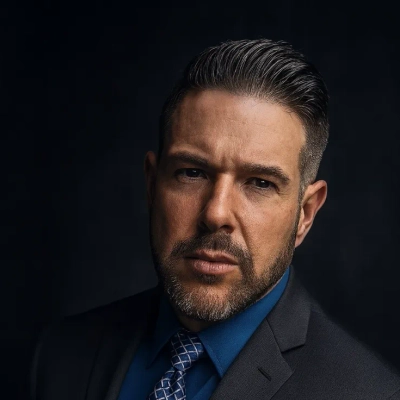 Roger Lopez, CEO, NationalSearchGroup, Inc
Recognize Transferable Leadership Traits
The biggest mistake I see is treating military experience like it’s this totally separate thing instead of recognizing it for what it is: leadership and operational excellence. I’ve worked with a lot of veterans over the past 20-plus years in business, and they consistently bring exactly what companies claim they’re looking for, decision-making under pressure, team accountability, execution focused on the mission. But employers get hung up trying to translate military roles instead of just asking the right questions. They fixate on the technical jargon and miss the transferable skills: problem-solving, adaptability, leading when everything’s uncertain. Ask veterans to talk about how they handled high-stakes situations or built team cohesion. Those answers will tell you way more than trying to squeeze a military job title into some corporate org chart. The best hires happen when you care about capability and character, not just credentials.
 Samka Keranovic, Co-Founder, Desert Roots Wellness
Search Resumes by Responsibility Scope
The mistake starts before the interview. Most recruiters search by job title and a handful of keywords, and a veteran’s resume says platoon sergeant or logistics specialist where the search expects operations manager. So the person who ran supply for a few hundred people never shows up in the results, and the team decides there just aren’t many veteran candidates out there.
When veterans do reach the interview, the same thing happens in a different form. The interviewer asks about industry experience, gets an answer full of unfamiliar terms, and scores it low because they couldn’t map it. Asking about scope works better: how many people, what budget or equipment, what went wrong and what they did about it. Those answers compare fine against any civilian candidate’s.

Map Service Backgrounds to Outcomes
The common reason why employers do not recruit veteran candidates properly is that they tend to fall into the translation trap and look for the precise one-to-one relationship between the military occupational specialty and a civilian job position. While employing global delivery teams, we often see proficient candidates rejected just for the reason that their CV does not contain concrete company nomenclature used by hiring managers for quick reference. If an interviewer pays attention only to the fact whether a candidate has undergone training in any specific software or has experience in the management of some retail process, he will overlook broader operational competencies veterans come with. For example, a veteran having some experience in managing complex communications or logistics facilities under stressful conditions can possess an exceptional technical agility and crisis management knowledge which is not usually available in civilian life. The error is in the fact that companies prefer hiring people familiar with a particular tool at this moment to hiring veterans who have the proven history of mastering of new development systems quickly and taking full responsibility for their implementation process. It turns out that the best veterans hired are those who are assessed based on their meta-skills such as ability to work properly in a team of diverse people, strict following of the rules of behavior, or resilience to changes in the project. Instead of trying to understand how duties are translated from the military environment to that of a civilian one, managers should rather map military experience in some activities to results obtained. For example, a person leading a team on a terrain that constantly changes will be more effective working in an uncertain environment than a person having experience of working in some stable type of enterprise. This implies that while evaluating veterans we should eliminate all tricky wording and must realize that their experience is not a gap in skills that should be filled but a successful base that allows them to be ahead of their competitors in performance.
 Amit Agrawal, Founder & COO, Developers.dev
Use Consistent Job-Based Questions
Avoid interviewing the veteran identity instead of the candidate.
Give veterans room to explain how their experience fits. Although conversations with candidates may develop in different ways, the format and core questions of the interview should be similar. Using behavioral and situational interview questions during the hiring process allows companies to get answers that go beyond canned generalities or repackaged answers. Behavioral questions encourage job candidates to offer specific examples from the past of how they’ve used job-related skills to solve problems. Avoid random brain teasers and riddles, and focus on problems that are similar to those they would find on the job. As important as it is that questions are job-related, it’s even more important to know how to evaluate the candidate’s response.
Avoid questions about injuries or trauma during interviews. You might be trying to determine relevant skills and experiences, and find out how someone can add value to the job, but asking about certain parts of service may be inappropriate or violate employment laws. Questions about experience or training acquired while serving in the military, or eligibility for veterans’ preference where applicable, are acceptable.
 Jennifer Hogshead, BA, Director of Finance and Human Resources, New Waters Recovery
Assess Skills, Not Occupational Labels
The common mistake employers make when interviewing veterans for jobs is basing qualifications on job titles instead of skills. If a hiring manager can’t decipher what a Signals Technician is, they may reject the veteran’s application or offer them a position below their pay grade.
But many times, veterans’ job titles don’t easily translate to the civilian world, even though they performed tasks like leading a team, managing important systems, and working well under pressure. This can be an expensive mistake for employers since Penn State researchers found that veterans who report feeling underemployed are 90% more likely to look for a new job.
Employers can avoid underestimating veterans’ qualifications by zeroing in on the skills they need for a position and asking veterans about their prior responsibilities, such as how many people they supervised and what systems they managed.
 Mark Friend, Company Director, Classroom365
Respect Classified Project Limits
Employers expect veteran candidates to share every project they’ve managed. Why is this wrong? Because some military work is still classified even after they leave the military so employers interviewing them shouldn’t expect veterans to disclose them during the interview.
For example, if an employer was interviewing a veteran for a project management position and asked them to speak about the most complicated project they managed during their military career, the veteran may speak about how they led a project with 200-person team, worked under tight deadlines, addressed challenges as they occurred, etc., but if the employer asks the veteran to divulge the details of the project itself, the veteran may not be able to answer those questions because the information is classified.
Instead, employers interviewing veterans for project management positions would benefit from focusing their interview questions around the processes and decision-making skills the veteran used on their most complicated project instead of pressing for details the veteran is not able to share.
 Yad Senapathy, Founder & CEO, Project Management Training Institute (PMTI)
Probe Real Scenarios, Not Jargon
One mistake I’d caution employers against is expecting military experience to translate neatly into civilian job titles. A veteran might have managed logistics, equipment, safety procedures and teams under pressure, but their CV may describe those responsibilities in unfamiliar military terms.
I’d focus interviews on practical situations rather than job titles. Ask candidates how they’ve handled disrupted schedules, competing priorities or equipment failures, then assess those examples against the role’s requirements.
For a steel distribution business, those skills can be particularly relevant to warehouse operations, transport coordination and team leadership. Employers risk overlooking capable candidates when they focus too heavily on terminology.
 Darren Tredgold, General Manager, Independent Steel Company
Value Humility Over Interview Polish
One mistake I see is employers expecting veteran candidates to “sell themselves” the same way a civilian salesperson might. A lot of strong veterans are trained to say “we,” give credit to the team, and keep answers tight, so they can get underrated in a traditional interview.
At Trust 1, I hire and train people who walk into customers’ homes, wear boot covers, explain pricing upfront, and give options without pushing the most expensive fix. That service mindset matters more to me than how polished someone sounds in an interview.
A better question is: “How would you handle a homeowner who is stressed, skeptical, and dealing with no heat or a plumbing leak?” Veterans often shine there because they understand calm communication, procedure, and accountability.
Don’t mistake humility for lack of confidence. Sometimes the best candidate is the one who is not trying to dominate the room.
 Anthony Mound, Owner, Trust 1 Services Plumbing, Heating and Air Conditioning