9 Practices That Make Employers Great Places for Veterans to Work
Veterans bring valuable skills, leadership, and resilience to the workplace, but strong support is essential for long-term success. This article shares nine practical ways employers can build workplaces where veterans can thrive. Insights from workforce and veteran employment experts explain how to turn these practices into action.
- Translate Service Skills Into Corporate Success
- Launch Support on Day One
- Map the First 90 Days
- Offer Pre-Separation Work Access
- Establish Reliable Operating Rules
- Define Expectations and Grant Authority
- Pair Recruits With Military-Aware Mentors
- Outline Promotion Routes Early
- Protect Time for Peer Counsel
Translate Service Skills Into Corporate Success
Good employers build peer communities and think about leadership in different ways. I’ve coached veterans who did well when companies set up internal veteran affinity groups that met regularly, not as a checkbox, but for real peer support. Moving from military to civilian work often means relearning what leadership looks like. In the military, who’s in charge is obvious. In corporate settings, influence is murkier and more political.
The best employers actively help translate military experience into corporate language during performance reviews and promotions. They don’t just say “we value your service.” They help veterans explain how leading a team under pressure is actually stakeholder management, or how mission planning is strategic execution. That translation work makes the real difference in whether veterans stay and move up.
 Samka Keranovic, Co-Founder, Desert Roots Wellness
Launch Support on Day One
Mentorship should begin during onboarding. One way to develop and retain talent is to incorporate mentoring in organizations. Incorporating mentoring in the onboarding process allows for multiple departments to play a role. Support and consistency are key to a successful mentorship. Mentoring for veterans can help them identify their strengths to move forward. Mentors are like a sounding board. They can help employees work through issues and find options they might not have considered because they have a different perspective.
Mentors should not replace managers. As Director of Finance and Human Resources, I encourage offering every veteran employee a “prepared” mentor, ideally a veteran if available, and allowing the employee to choose whether to join the mentoring program. Mentors are a great way for new employees to find their way in a company.
This is consistent with the U.S. Department of Labor’s 2025 employer guide, which notes that providing a mentor to new veteran employees upon arrival, preferably a veteran, along with veteran-focused onboarding, can help them adjust to the organization. Creating a mentoring program requires a good deal of guidance and support from the organization facilitating these mentoring opportunities. Mentors, colleagues, and senior veterans can help veterans transition and thrive in their career growth. Employee feedback can also help organizations improve their mentoring programs.
 Jennifer Hogshead, BA, Director of Finance and Human Resources, New Waters Recovery
Map the First 90 Days
A “veteran-friendly” label on a careers page doesn’t keep a veteran employed. What does is a written plan for the first 90 days — and a named person to walk it with them.
The practice I recommend to every employer I work with is this: on day one, pair the veteran hire with a trained veteran mentor inside the company, and give them both a 90-day skills-translation plan. That plan maps the veteran’s military duties to the civilian job in plain language, names the next certification or training step, and shows the pay and promotion path beyond the first role.
Why it works: in my experience working with military-connected job seekers, veterans most often leave when no one helps them translate what they already know how to do, or shows them where the job leads. When a new hire can see, in writing, that her or his service counts toward a certification and a raise, they stay and they grow.
My takeaway for employers: don’t stop at the label. Assign the mentor, write the 90-day plan, and check in at day 30, 60 and 90. That is what turns a hire into a career.
— CJ Eason, President of Workforce Development, Hired in Michigan
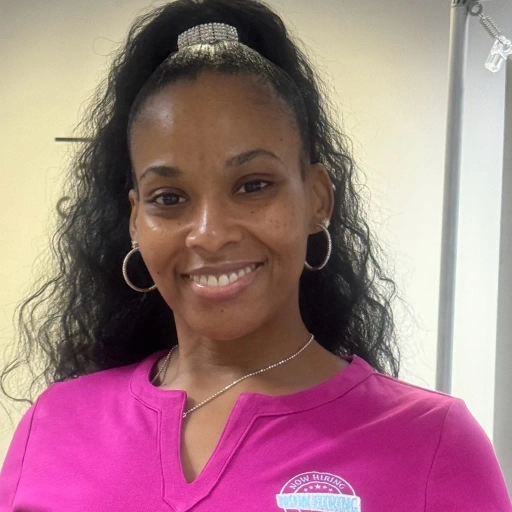 CJ Eason, President of Workforce Development, Hired in Michigan
Offer Pre-Separation Work Access
For me, it wasn’t a program or a label. It was an employer who took the time to understand what I’d actually done, and who gave me a way in before I ever took off the uniform.
I spent seven years as a combat controller in the U.S. Air Force. When I came back from my second deployment, Phil Town asked me to come up to his farm in Georgia. He was very interested in hearing all about Afghanistan and what my plans were. That conversation wasn’t a formality. He wanted to understand the person, and when I told him my plans, he asked me to come work for him. I moved up to Georgia the day after I left the service, and I’ve been on the Rule #1 team ever since.
The second piece was the on-ramp. About halfway through my Air Force career I went to my first Rule #1 workshop as a student. About a year later I was asked to start coaching, so I’d take leave from the military and come help out at workshops in Atlanta and other cities as a junior coach. Even in Afghanistan I was doing trades on my laptop while people looked at me like, what are you doing? By the time I separated, I wasn’t starting from zero. I already knew the team, the work and what was expected of me.
So here’s what I’d tell employers. Ask about the actual work a veteran did, not just the rank or the title, and really listen to the answer. And if you can, give people a way to learn your business while they’re still serving or transitioning, so the first day on the job isn’t the first day they’ve seen it. A veteran-friendly label tells someone they’re welcome. A real conversation and a real on-ramp tell them they’re wanted.
 Austin Bowen, Senior Fund Manager, Rule 1 Investing
Establish Reliable Operating Rules
Having served in the Navy as a Petty Officer Second Class working on nuclear systems, I know that veterans thrive when an organization replaces ambiguity with rock-solid processes. What makes an employer truly great for veterans is establishing structured, reliable operating procedures where every role has clear standards and real accountability.
In my operational roles and at Your Home Solar, I implemented structured scheduling matrices and committed entirely to in-house installation crews rather than outsourcing to subcontractors. This gives our team direct ownership of the entire process from start to finish, eliminating the finger-pointing and confusion that frustrates service-oriented people.
Veterans don’t need buzzwords; they want a clear mission, defined systems, and leadership that backs their workmanship. When you give them documented standards and genuine responsibility, they will execute with precision every time.
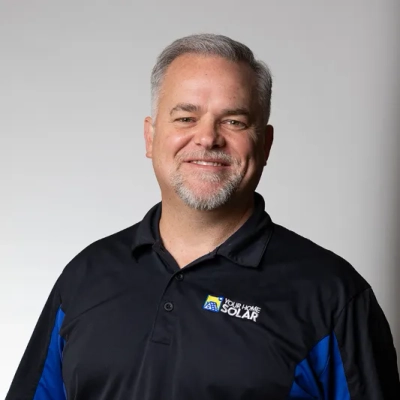 Ernie Bussell, CEO, Your Home Solar
Define Expectations and Grant Authority
I’m an Army veteran, a former Cavalry Scout, and I’ve spent 20 years hiring and leading hospitality teams of up to about 100 people. The practice that matters most is clarity.
Veterans come from a world where the mission, the standard and who makes the call are clear. What wears on a lot of veterans in civilian jobs is vagueness: nothing written down, expectations that shift, decisions nobody explains. An employer that writes down what good looks like, explains the why, and holds everyone to the same standard is already most of the way there.
Second, translate their experience instead of discounting it. Someone who led a team under pressure can run a shift. Give them real responsibility early rather than starting them at the bottom because their resume doesn’t use your industry’s words.
Third, pair them with a mentor for the first 90 days who can explain the unwritten parts of the culture. That’s usually where the friction is, not the work itself.
Rob Bruni, Founder, OpsEdge Hospitality (opsedgehospitality.com)
 Rob Bruni, Founder, OpsEdge Hospitality
Pair Recruits With Military-Aware Mentors
Hiring a Veteran is the beginning not a “one and done” proposition. A great Veteran employer helps translate military experience into meaningful work, explains expectations clearly, and provides mentorship and opportunities to advance. It also recognizes that Veterans bring different skills, experiences, and ambitions.
If I had to pick one practice, it would be pairing each new Veteran hire with a trained mentor, who understands the “Military Community” for their first 90 to 180 days, with regular check-ins about the work, workplace culture, and career goals.
A “Veteran-friendly” label gets attention from the public. What happens after the hire earns the reputation of Vet friendly in the Military Community.
 Mark Casper, President/CEO, Tech For Troops
Outline Promotion Routes Early
Beyond a veteran friendly label, employers should give veterans a clear path to promotion from the day they were hired in the company. Not just say that they have opportunities to grow but lay out the skills they need to develop for them to go up into a higher position. Why? Because imagine a veteran who managed a team of 50, then got a junior role when they joined your company. Six months later, they’ve shown excellent leadership skills yet their management expects them to spend many more years to work their way up. That in itself is very discouraging on their part.
Veteran employees bring an abundance of skills, so make sure you’re recognising them all so you don’t end up losing great talent. That’s why in their 6th month, you should already review their responsibilities and career progression.
 Yad Senapathy, Founder & CEO, Project Management Training Institute (PMTI)
Protect Time for Peer Counsel
I recommend a structured, opt-in peer mentorship program. Remember that mentoring takes time, and programs need to be structured for the long term.
Preferably, the mentor should be a veteran if the new hire prefers. It is more important for a mentor to have experience that can help others learn. A mentor can help new employees understand the institutional knowledge of their employer, industry and the workplace dynamics involved in both. Mentors require regular protected time to support effective mentoring relationships. Adding mentoring relationships to their existing job responsibilities without providing extra time for it can lead to a rushed, ineffective relationship.
Mentorship needs clear ownership and accountability. The 2025 Employer Guide for Hiring Veterans by the US Department of Labor says a successful veteran hiring program needs leadership buy-in and suggests employee resource groups that are open to all employees. What makes mentorship so great is that it can be used at all levels of the organization to help build positive working relationships. Retaining key employees is critical because of the following organizational concerns that are involved: costly training time and investment, knowledge loss, staff uncertainty, and a costly candidate search. Retaining your key employees is critical for the long-term health and success of your organization.
 Darryl Stevens, Founder & CEO, HumanBlend
Related Articles
- 20 Cultural Practices That Improve Long-Term Employee Retention
- 13 Strategies to Embed Employer Brand Into Business Strategy—Beyond Marketing or Recruiting Campaigns: Tangible Outcomes in Hiring, Retention, and Brand Perception
- 17 Change Employers Should Make to Attract and Develop Younger Professionals