Unite the Industry Around Shared Community Impact
At Peoples Mortgage Company, we’ve seen that employee volunteerism becomes far more meaningful when it extends beyond one company and turns into a collective industry effort. Mortgage professionals often work in highly competitive environments, but community service creates an opportunity to come together around a shared purpose that is bigger than business goals. Through our initiatives, lenders, real estate professionals, and industry partners volunteer side by side to support local families, housing programs, food drives, and community improvement projects.
What makes this approach different is the sense of unity it creates. Employees are not just representing their company, they are contributing to something larger across the entire lending community. That shift builds stronger engagement because people feel connected to a mission that has visible impact in the neighborhoods where they live and work.
We’ve also found that volunteerism strengthens workplace culture in unexpected ways. Teams return from events with stronger relationships, better communication, and renewed motivation because they’ve experienced firsthand how collaboration can create real change. Employees want to feel proud of where they work, and community involvement gives them tangible proof that their company values people as much as production.
The biggest lesson for us is simple, when organizations come together to serve others, engagement grows naturally because employees feel part of a purpose-driven culture that genuinely makes a difference. We take great pride in having this mindset in everything we do here at Peoples!
 Ron Duranti, EVP of Peoples Mortgage Company, Executive Chairman of Lenders Lending a Hand Foundation
Bake Purpose Directly into the Product
Magic Hour is a two-person company. Me and my co-founder David. So “employee volunteerism” in the traditional HR sense isn’t really how we operate. But I’ll tell you something more honest and, I think, more useful than a corporate volunteerism playbook.
When you’re two people building a platform used by millions, every hour is precious. So the way we “volunteer” is by making our product itself the act of service. We built Magic Hour so that anyone, regardless of budget, technical skill, or access to expensive tools, can create professional video content. That’s not charity. That’s the mission. And it keeps us more engaged than any company volunteer day ever could.
Here’s what I mean concretely. I started this whole journey because I spent years helping my parents market their small businesses on social media. They’re Chinese immigrants running shops in Pennsylvania. They didn’t have money for agencies or video editors. I’d spend an entire day producing a single video for them. That frustration is what led me to start hacking with AI video tools in the first place. The origin of Magic Hour is, in a real sense, an act of volunteerism that just never stopped.
And that sense of purpose does something powerful for engagement. When David and I are grinding at 2 AM on a Saturday, we’re not doing it because of a KPI dashboard. We’re doing it because we get messages from creators in countries we’ve never visited telling us Magic Hour gave them their first paying client. A barbershop owner in Lagos. A wedding videographer in the Philippines. That feedback loop is the most potent engagement driver I’ve ever experienced, and I spent years at Meta studying exactly this kind of thing.
My take: if you want real engagement, don’t bolt volunteerism onto the side of your company. Bake purpose into the core product. When people feel like their daily work is the contribution, you never have to manufacture motivation.

Match Core Expertise to Community Needs
One approach that worked for us was tying employee volunteerism directly to skill-based contribution rather than generic activities.
Instead of organizing one-off volunteering days that people attend for formality, we gave team members the option to contribute their core skills to early-stage founders and small businesses who actually need them. For example, our SEO and content team members have helped small Web3 projects audit their websites, fix basic visibility issues, or structure their first content strategy.
This made a big difference because the work felt meaningful. People weren’t just showing up, they were solving real problems using what they’re good at.
We also kept it flexible. Team members could opt in based on interest and bandwidth, and we made sure it didn’t feel like an extra workload forced on top of their role.
The impact on engagement was more visible than I expected. Conversations inside the team improved because people started sharing what they worked on during these sessions. It created a sense of ownership and pride that doesn’t usually come from routine client work.
One example stood out. A junior team member who usually worked on internal tasks led a small audit for a startup during one of these initiatives. The confidence boost from that experience translated directly into their day-to-day work. Within a few months, they started taking more ownership in client projects as well.
The key lesson for me was this – employee volunteerism works when it aligns with how people create value, not when it sits outside of it. When people see the direct impact of their skills, engagement follows naturally.

Paid Civic Hours Remove Participation Barriers
We treat employee volunteerism as an opt-in, paid-time program with a simple structure: each team member can use a set number of work hours per quarter to volunteer, and we keep a short list of vetted local nonprofits so people aren’t stuck doing the legwork alone. We also encourage small group sign-ups across functions (ops, customer care, R&D, marketing) so it’s not siloed and people build relationships outside their day-to-day workflows.
The engagement impact has been most noticeable in retention signals and internal collaboration: participation tends to be highest among newer hires, and those employees are more likely to report feeling connected to the mission and to coworkers they wouldn’t normally interact with. Based on our internal pulse surveys, the strongest driver isn’t the cause itself–it’s removing friction (clear policy, manager support, easy scheduling) so volunteering feels genuinely supported rather than performative.

Honor Personal Causes with Flexible Support
Our team is made up of veterans, military spouses, and former first responders. These aren’t people who need to be convinced to serve their communities. They were already doing it before they joined us.
So our approach is simple. We give people the time and flexibility to keep doing the work they already care about. Instead of picking a cause and telling the whole team to show up, we support whatever each person is already involved in. One team member volunteers with a local veterans’ support org. Another coaches youth sports. We work around it.
The impact on engagement has been real. People feel like they work somewhere that respects who they are outside of work. When someone feels like their employer sees them as a whole person, they show up differently. They’re more invested. The kind of turnover conversations I’ve had at other jobs just don’t come up here.
Forced volunteerism usually backfires. It feels like homework. But if you build a culture where service is already the baseline and then get out of the way, people engage on their own terms and they mean it.

Local Housing Action Elevates Retention
Volunteerism at Sell My House Fast goes beyond typical community service; it’s rooted in a simple principle I discovered early on. When we mobilized our team to tackle local housing issues, such as organizing a home repair day for families in need, we uncovered a profound connection among our staff. This initiative did not just enhance our public image but ignited a sense of shared purpose that drastically elevated our employee engagement scores. Creating a platform for our employees to contribute their skills in real, impactful ways forged deeper bonds and transformed workplace dynamics.
One hard metric that speaks volumes is our employee retention rate, which rose by 30 percent after teams participated in local events. This shift illustrates that when employees see their work translating into tangible community benefits, it fosters loyalty and motivation. I recommend identifying local challenges your team is passionate about, allowing them to innovate solutions. This strategy not only boosts camaraderie but also creates a ripple effect of positivity throughout your organization and the community.

Serve Neighbors to Bolster Accountability
Running social services inside affordable housing communities for over 30 years means our staff already understands what “mission-driven” really looks like on the ground. So when we encourage volunteerism, it naturally extends into the communities we serve—residents who already know and trust us.
One thing that’s worked well is having staff volunteer time during events like financial literacy workshops or community resource fairs inside our properties. These aren’t strangers—they’re neighbors our team has built real relationships with. That continuity matters enormously.
What I’ve noticed is that volunteering within our own communities rather than externally keeps engagement deeply personal. Staff aren’t showing up once and leaving—they’re invested in how that same family does six months later. That kind of follow-through builds a sense of accountability you simply can’t manufacture through a team-building exercise.
When we were recognized at Housing CA’s 2025 Annual Conference for our homelessness solutions work, it reinforced something I’ve long believed: sustained impact comes from people who feel genuinely connected to the work, not just clocked in. Volunteerism inside our communities has been one of the quietest but most powerful drivers of that connection.
Bilingual Clinics Strengthen Cross-Functional Trust
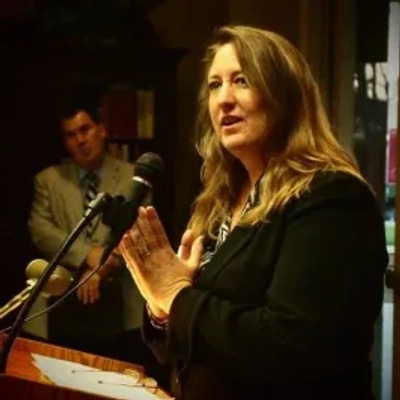
A standout approach involves bilingual home-efficiency clinics hosted with local nonprofits. Employees review basic airflow issues, insulation gaps, and maintenance habits. Residents leave with realistic fixes that lower bills and improve comfort. Because the advice mirrors daily problem-solving, participation feels natural, not forced.
Volunteer sessions also reveal hidden talents, especially patience, empathy, and translation. We noticed stronger engagement after colleagues saw each other serving confidently. Cross-functional trust improved, internal communication softened, and retention conversations became easier. People connected the mission of comfort with real households nearby. That local relevance gave volunteer hours meaning beyond a calendar initiative.

Small Squads Drive Commitment and Ownership
I like to think about employee engagement as earned participation. Volunteerism connected to small, static teams with participation goals versus company-wide initiatives. Let’s say 4-6 employees volunteer for 6 hours per quarter as a team. When you keep teams small and goals attainable, everyone participates because they know their teammates are counting on them. Literally, group accountability increases participation to over 80% while optional company wide programs see participation between 25%-35%. Small teams create momentum within the group that translates to everyday tasks. Plus, when it becomes habit you don’t have to ask people to participate as much.
The beauty translates into accountability outside of volunteer hours as well, partially because when we’re working those 6 hours, we have a sense of team accountability. Before you know it, employees are thinking about how they can help the team out instead of looking at how many tasks they can knock out by themselves. You will see engagement increase by 20% or more. Structured employee volunteerism creates ownership. Ownership that I believe transfers over to how people perceive their participation outside of volunteer hours.

Cyber Education Forges Team Cohesion
At ShadowHQ, we believe the same values that drive our work, showing up when it matters most, apply outside the office too. We encourage our team to volunteer their time and skills in their local communities. Whether that means helping at a food bank, supporting a local school, or joining a community emergency preparedness event, we give our people the space and support to get involved.
One thing we do specifically is connect our team with cybersecurity education programs for students and small nonprofits. Our people go into schools and community organizations and teach basic digital safety. This fits naturally with who we are. We know what happens when people are unprepared for a crisis, and we want to help more people feel ready, not just our paying customers.
What we have seen is that this kind of volunteering actually brings our team closer together. When people work side by side outside of their normal jobs, they build real trust. That trust carries back into the workplace. Teams that volunteer together tend to communicate better and support each other more during high-pressure moments, which matters a lot in our line of work.
Employees also tell us they feel proud to work somewhere that cares about more than just sales. That pride shows up in how they show up every day. People work harder and stay longer when they feel like their company stands for something real.
Bottom Line: We give our team time to volunteer, especially around cybersecurity education. It builds trust, boosts morale, and reminds everyone why the work we do matters beyond the bottom line.
Empower Employee-Led Efforts to Spark Stewardship
At PrettyFluent, we don’t just encourage volunteerism; we empower it. We’ve found that true engagement comes from purpose. By enabling our team to lead initiatives they are passionate about like a language tutoring program for underprivileged youth, we’ve seen engagement skyrocket. When employees champion causes they deeply connect with, their sense of ownership and fulfillment translates directly into a more cohesive and motivated workplace. The most impactful volunteerism isn’t company-mandated; it’s employee-led.

Use Real Projects to Build Skills
One way we approach employee volunteerism is by treating it as a learning experience, not just a good deed. We encourage teams to take part in community projects where they can build real skills, like communication, teamwork, and leadership. It’s not about checking a box. It’s about growth.
We keep it simple. Teams choose causes they care about, then reflect on what they learned after. That reflection piece matters. It helps people connect the experience back to their daily work.
What we’ve seen is a shift in mindset. Employees feel more confident. They speak up more. They collaborate better because they’ve practiced those skills in a real setting.
Engagement has improved because people feel seen and supported, not just as workers, but as individuals who want to grow and contribute.
Bottom line: When volunteerism becomes a learning tool, engagement rises because people grow while giving back.

Let Staff Choose Quarterly Giveback Days
Employee staff will identify which community organizations they would like to support through quarterly service days. The employee is given an opportunity to be involved in their choice. Employee participation has been shown to create higher levels of employee morale, increase communication among employees, and have all employees returning to work with a renewed energy and a commonality of being committed to the core values that make up the company’s culture.

Add Structured Reflection to Deepen Insight
A distinctive approach is pairing volunteerism with reflection rather than ending the experience once the activity is over. Employees are encouraged to share what surprised them, what challenged their assumptions, and what they learned about people whose needs are often overlooked. We have found that this second step is where engagement grows, because the experience becomes part of the culture instead of a one-off event.
That habit creates a more aware and connected team. Employees listen differently after seeing how small blind spots affect real communities. It often leads to more thoughtful communication, stronger mutual respect, and a deeper appreciation for purpose at work. Volunteerism becomes valuable not just for what gets done, but for what changes internally.